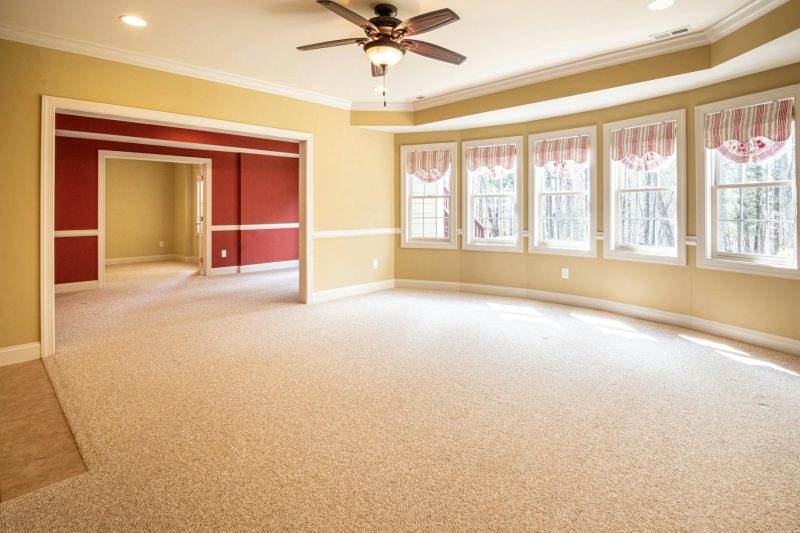
The home you can afford in West Virginia might be better than the one you…
Relocating to West Virginia? Here’s What You Need to Know Before You Move to the Eastern Panhandle
Moving to West Virginia’s Eastern Panhandle can change your address without changing your entire world.
For buyers coming from Northern Virginia, Maryland, Pennsylvania or elsewhere in the DMV, communities like Martinsburg, Charles Town, Shepherdstown, and Berkeley Springs can keep you connected to the broader Mid-Atlantic region while opening up a very different kind of home search.
But a relocation here involves more than choosing a town and finding a house.
Your commute may change. Your employment may change. You may need to sell another home before buying. And depending on where you search, you could encounter acreage, private roads, wells, septic systems, new construction, and other property characteristics you haven’t dealt with before.
That’s why it helps to work with people who understand the move, the mortgage, and the location.
The Burke Team at American Pacific Mortgage is based in Martinsburg and helps buyers throughout the Eastern Panhandle and surrounding region navigate those decisions. As Eastern Panhandle relocation specialists, our job isn’t to put every buyer into the same mortgage box. It’s to understand where you’re going, what you’re trying to accomplish, and which financing strategy might be a good fit.
What Is the Eastern Panhandle of West Virginia?
West Virginia’s Eastern Panhandle sits between Maryland and Virginia. Berkeley, Jefferson, and Morgan counties are the areas most buyers explore when considering this part of the state.
Its location is a major part of its appeal.
Berkeley County, including the popular Martinsburg, is right by Interstate 81. The area has passenger rail and regional transit with connections throughout Maryland, Northern Virginia, and Washington, D.C.
For someone relocating from the DMV, Winchester, Frederick, Hagerstown, or south-central Pennsylvania, relocating to the Eastern Panhandle can offer a change of address without taking them too far from the jobs, family, and regional connections they already rely on.
Where Should You Look in the Eastern Panhandle?
Each community in West Virginia’s Eastern Panhandle offers something a little different. Where you choose to live may depend on how much space you want, the type of home you’re looking for, where you commute, and how close you want to be to shopping, dining, recreation, and other amenities.
For example, someone looking in Martinsburg may have very different priorities from a buyer considering Shepherdstown, Charles Town, or a more rural property near Berkeley Springs. Before narrowing your home search, think about what matters most to your day-to-day life, your budget, and your long-term plans.
Moving to Martinsburg, WV
Martinsburg is a logical starting point for buyers who want access to I-81, regional services, and a mix of housing options.
A home search can include established neighborhoods, newer communities, new construction, and more rural properties as you move outside the city.
Martinsburg also offers something out-of-area buyers may not expect in West Virginia: commuter rail access. Maryland’s MARC Brunswick Line currently serves Martinsburg, Duffields, and Harpers Ferry in West Virginia, with service continuing toward Washington Union Station.
If commuting matters to your relocation, don’t simply check a mapping app on a weekend. Drive your actual route during the hours you would travel. If you’re considering MARC, look at the current schedule you would realistically use and determine how you’ll get to and from the station.
A house can look close to work on a map and function very differently in real life.
Moving to Charles Town, WV
Charles Town and the surrounding Jefferson County area may appeal to buyers who still need regular access toward Northern Virginia or Maryland while considering a move into West Virginia.
Here, however, the property itself deserves just as much attention as the commute.
One detail many relocation guides overlook is road ownership. Jefferson County states that it does not own or maintain county roads; roads may instead be maintained by the West Virginia Division of Highways, a municipality, or privately, including through a homeowners association.
If you’re looking at a home on a private road, ask before closing:
Who maintains it? Who handles snow removal? Is there a recorded maintenance agreement? Are expenses shared among homeowners?
Those details may not change your decision to buy, but they should be part of the decision.
Moving to Shepherdstown, WV
A Shepherdstown home search can introduce another consideration: older and historic housing stock.
Character is part of the appeal, but an older home deserves a close look at electrical systems, plumbing, roofing, HVAC, windows, and previous renovations.
And if the home you love needs substantial improvements, don’t automatically assume you need to purchase it with a standard mortgage and pay for every renovation separately.
Depending on the borrower, property, and scope of work, renovation or other specialty financing may be worth discussing.
Moving to Berkeley Springs, WV
As your search moves toward Berkeley Springs and more rural parts of Morgan County, you may find yourself evaluating more than square footage and bedrooms.
You may be evaluating land, utilities, internet access, road maintenance, and how much property you want to manage.
For someone moving from a townhouse, condo, or suburban lot in Northern Virginia or Maryland, that can be a meaningful lifestyle change.
Don’t simply ask, “Do I want acreage?”
Ask what comes with that acreage.
Is the property on public water and sewer? Does it have well and septic? Who maintains the road? Can you get reliable internet at the exact address? How long will routine errands take?
The property should fit your life after closing, not simply look good during the showing.
Can You Live in West Virginia and Still Commute to the DMV?
Yes, people do commute between the Eastern Panhandle and the greater Washington region, and MARC’s Brunswick Line currently connects West Virginia stations with Washington Union Station.
However, whether that commute makes sense for you depends on your job location, schedule, and tolerance for travel.
Someone commuting into Dulles five days per week has a different calculation than someone going to Leesburg twice a week. A hybrid employee who travels periodically to Washington has different priorities from someone working remotely.
Before selecting a community, answer three questions:
- Where do I physically need to work?
- How often do I need to be there?
- What does that trip look like when I would actually make it?
Should I Get Pre-Approved Before Relocating to West Virginia?
Yes, and getting pre-approved before you move is a wise choice when relocation affects your employment or finances.
You may be keeping your current job but moving to remote or hybrid work. You may be changing employers. Your compensation could shift. You may be selling a home in another state and planning to use the proceeds toward your next purchase.
Those details play a role in your financing and getting you qualified.
Tell your mortgage loan officer about your employment plans, income structure, existing home, anticipated sale proceeds, and the types of properties you’re considering before you make an offer.
The important question isn’t simply: “What is the maximum home price I qualify for?”
It’s: “What will my financial picture look like after I relocate?”
What if My Current Home Hasn’t Sold Yet?
This is one of the biggest practical issues for relocating homeowners.
Imagine that you own a home in Leesburg, Winchester, Frederick, or Hagerstown. You find the right home in West Virginia, but the equity you want to use toward that purchase is still tied up in your current property.
There isn’t one solution for everyone.
Some homeowners sell first. Others coordinate the timing of both closings. Some have liquid assets that allow them to purchase before selling.
For some borrowers, a bridge home loan can be an additional option. Bridge financing is designed to address the gap between purchasing another home and selling an existing one that is already on the market. The Burke Team can help you navigate your options with bridge financing.
The key is to solve this problem before you’re trying to manage two contracts and two closing dates.
If you own a home today, tell your mortgage advisor at the beginning. Your existing mortgage, equity, sale timeline, and next purchase should be evaluated together.
The Property You Choose Can Change the Mortgage That Makes Sense
Because buyers in the Eastern Panhandle may be purchasing anything from a newer home to acreage, a rural property, or new construction, having access to a wide range of mortgage options makes sure you get the right loan.
The right question isn’t: “Which loan does this lender sell?”
It’s: “Which financing strategy fits this buyer and this property?”
Buying in an eligible rural area?
USDA financing is available to buyers purchasing eligible properties in qualifying rural and suburban locations. Property and borrower requirements apply, so check eligibility for the specific transaction rather than assuming based on how an area looks.
Thinking about building?
Sometimes relocating buyers search the market and realize the house they want doesn’t exist yet.
Construction financing lets you borrow what you need to build the home you want rather than limiting your search to existing inventory. The Burke Team’s construction program includes options that can transition from construction financing into permanent mortgage financing.
Self-employed?
Business owners often discover that their tax strategy and their mortgage qualification story aren’t necessarily the same thing.
For eligible self-employed and nontraditional-income borrowers, a bank statement program may allow qualifying income to be evaluated using applicable personal or business bank statements.
Veteran or active-duty military?
Eligible military borrowers should also explore whether a VA loan is a good fit for their purchase. Burke’s Martinsburg branch specifically serves veterans and active-duty military and offers VA financing alongside its broader mortgage suite.
Whether conventional financing is the right solution for your purchase or you can get better terms through another loan option, you don’t want to be put into a financing box before someone understands your situation.
Buying Acreage or a Rural Home? Look Beyond the Purchase Price
A property outside Martinsburg, Charles Town, or Berkeley Springs might give you exactly the space you’re hoping to find.
Just add a few questions to your due diligence:
- Well and septic: Determine whether the home uses public utilities or private systems, and understand what inspections, testing, or lender requirements may apply.
- Road maintenance: Determine whether the road is publicly or privately maintained. Even Berkeley County notes that county roads may be state-maintained or privately owned.
- Internet: If remote work is what makes your relocation possible, verify broadband availability at the exact property address, not simply in the zip code.
- Daily drive: Test the route from the actual property to work, school, shopping, healthcare, the interstate, or the MARC station you expect to use.
A rural home can be an incredible fit. Just make sure you’re evaluating the infrastructure that comes with the home.
Moving from Northern Virginia, Maryland, Pennsylvania, or the Shenandoah Valley?
The Eastern Panhandle is part of a regional housing market, which means many relocations are relatively short geographically even when they involve crossing a state line.
Moving from Northern Virginia, Leesburg, or Dulles
If you’re moving from NOVA, your employer and professional network may stay exactly where they are while your housing needs change.
That makes commute planning, employment documentation, and the timing of your current home sale especially important.
Moving from Frederick, Middletown, Hagerstown, or Hancock, Maryland
A move from Maryland into the Eastern Panhandle may allow you to remain close to the same employment centers and family network while creating an entirely different home search.
Talk through your current property and next mortgage together rather than treating them as unrelated transactions.
Moving from Winchester, Berryville, or Front Royal, Virginia
For Shenandoah Valley buyers, the decision may be less about “Virginia vs. West Virginia” and more about commute direction, property type, acreage, family connections, and financing.
Those are more useful considerations than trying to declare one entire area better than another.
Moving from Greencastle or South-Central Pennsylvania
For buyers relocating south from Pennsylvania, I-81 creates an important regional connection through Hagerstown and into Berkeley County.
Your state may change without your broader regional footprint changing very much at all.
Eastern Panhandle Relocation Checklist
Before you fall in love with a property, make sure your plan covers the move as well as the house.
Before you start making offers, give your lender the full picture. Talk through your employment after the move, what you plan to do with your current home, and what monthly payment feels comfortable—not just the maximum amount you may qualify for. If you’re considering acreage, new construction, renovations, or a property with well and septic, bring that up early too, since the property itself can affect your financing options.
Then test the practical pieces: your commute, internet service, and road access.
Most importantly, explore your financing strategy before assuming one mortgage program is your only option.
Work with Eastern Panhandle Relocation Specialists Who Understand More Than One Loan
You may be keeping a job in Virginia, selling a house in Maryland, buying acreage in West Virginia, building instead of buying, documenting self-employed income, or trying to purchase before another home sells.
Those situations don’t all call for the same answer.
The Burke Team’s Martinsburg branch currently offers conventional, FHA, VA, USDA, construction, and renovation financing, along with specialty options such as bank statement, DSCR, bridge, HELOC, and asset depletion programs.
That matters because good mortgage advice starts with your goals, not a predetermined product.
We’re not a call center waiting for you to tell us which mortgage you want. We’re here to ask the questions, understand the full picture, and help you explore a financing strategy tailored to your situation.
If you’re considering Martinsburg, Charles Town, Shepherdstown, Berkeley Springs, or another community throughout West Virginia’s Eastern Panhandle, start the mortgage conversation before you start making offers.
Planning a move to the Eastern Panhandle? Apply online and get started or talk with a Burke Team relocation specialist about your move, your property search, and the financing options that fit.
Frequently Asked Questions About Relocating to West Virginia’s Eastern Panhandle
What is the Eastern Panhandle of West Virginia?
The Eastern Panhandle is the northeastern portion of West Virginia between Maryland and Virginia. Berkeley, Jefferson, and Morgan counties are central to the region, including communities such as Martinsburg, Charles Town, Shepherdstown, and Berkeley Springs.
Can I commute from Martinsburg, WV, to Washington, D.C.?
Yes. Maryland’s MARC Brunswick Line currently provides weekday rail service from Martinsburg and other West Virginia stations toward Washington Union Station. Because schedules can change, homebuyers considering rail commuting should verify current service before choosing a home based on train access.
Can I get pre-approved before I move to West Virginia?
Yes. In fact, getting pre-approved before relocating can help you understand how your income, employment plans, existing home, available assets, and anticipated purchase fit together before you begin making offers. Start your pre-approval here.
Can I buy a home in West Virginia before selling my current house?
Yes. Depending on your financial situation and eligibility, options may include coordinating closings, using available assets, or exploring bridge financing. The right strategy depends on your existing mortgage, equity, income, and anticipated sale timeline.
What mortgage programs are available when moving to West Virginia?
Depending on borrower and property eligibility, financing possibilities may include conventional, FHA, VA, USDA, construction, and renovation loans, as well as specialty products such as bank statement or bridge loans. The appropriate program depends on your finances, property, and goals.
What should I check when buying a rural home in the Eastern Panhandle?
Look beyond the home itself. Determine whether the property has public utilities or well and septic, whether the road is publicly or privately maintained, whether reliable internet is available at the exact address, and how the location works for your real-world commute and daily needs.

Related Posts