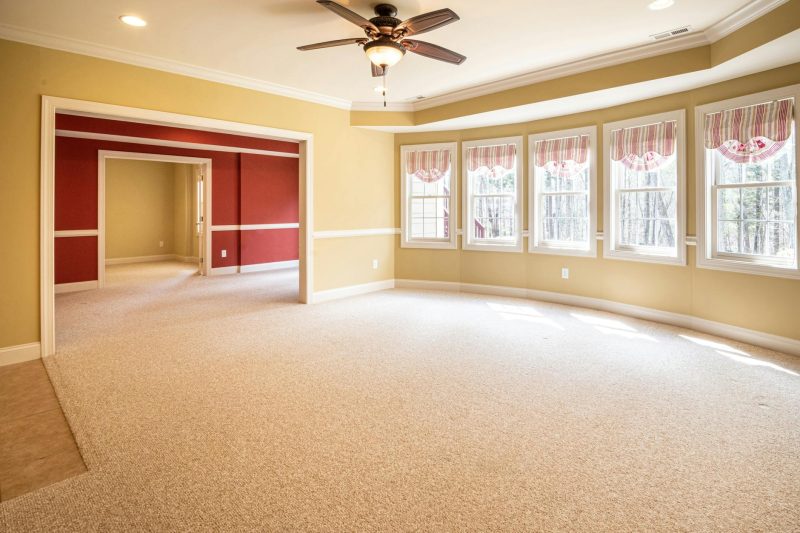
Moving to West Virginia’s Eastern Panhandle can change your address without changing your entire world…
Relocating to South Carolina? What Homebuyers Should Know Before Buying
Relocating to South Carolina can mean very different things depending on where you are headed. You might be considering Charleston and the Lowcountry;, looking farther south toward Hilton Head or Bluffton; or moving to Anderson, Greenville, Spartanburg, Clemson, or another part of the Upstate.
If you plan to buy a home as part of the move, location is only one part of the decision. Your employment, whether you’re selling a home, the type of property you buy, insurance, property taxes, and other ownership costs all affect your financing and your budget.
Before you start making offers, it helps to know how your relocation will affect your mortgage. Changes to your job, income, current home, or move-in timeline can all influence when and how you qualify.
Can You Buy a Home in South Carolina Before You Move?
Yes. You don’t have to live in South Carolina before you buy a home there. Whether you can complete the purchase before you relocate depends in part on how your income and employment will continue after the move and the occupancy requirements for your loan.
For example, are you transferring with your current employer? Will you be starting a new job, continuing to work remotely, or running your own business? Keeping or selling a home in another state can also affect the mortgage calculation.
We review those details early so you can confidently follow the best plan for your move.
How does relocating affect the income you use to qualify?
Relocating does not automatically prevent you from using your current income to qualify for a mortgage. Your lender will need to verify that the income will continue after the move and understand any changes to your employment or business.
If your current employer is transferring you to South Carolina, we may need to document the new work arrangement. If you have accepted a new job but have not started yet, you may still be able to begin the mortgage process before your first day. The timing and documentation requirements depend on the loan and your situation.
If you will keep your current job and work remotely or on a hybrid schedule, we may need to confirm that the arrangement will continue after you relocate.
You can also live in South Carolina while working in another state. For example, someone buying in Bluffton or Beaufort may work in nearby Savannah, Georgia. Cross-state employment does not prevent you from qualifying, but we need to understand where and how you will work after the move.
If you are self-employed, we will review your income history, business, and any changes the relocation may create. If your income doesn’t meet traditional documentation requirements, we can also determine whether a bank statement program may be appropriate.
Do you have to sell your current home before buying in South Carolina?
No. You may be able to buy in South Carolina before selling your current home, coordinate both closings, or keep the existing property. The best approach depends on your available funds and current mortgage obligation.
If you need proceeds from your current home for the next purchase, the timing of the sale matters more. If you want to buy before that sale is complete, bridge financing may be an option. A bridge loan can help qualified buyers use equity from their current home to help complete the next purchase.
If you plan to keep your property, we will also account for the existing mortgage when reviewing your qualification. If you intend to convert the home to a rental, we can determine how the property and any eligible rental income may factor into the mortgage.
The Lowcountry and Upstate Offer Very Different Home Searches
South Carolina is not one housing market. Even within the same region, properties can differ significantly in location, type, insurance considerations, and ongoing ownership costs.
You do not need to choose a region based on a statewide statistic or a general claim that one community is more affordable than another. Instead, compare homes and locations that fit your move, and then evaluate what owning those properties would involve.
Relocating to Charleston and the Lowcountry
When someone says they are moving to Charleston, their actual home search may extend well beyond the city itself.
You might compare Charleston with Mount Pleasant or Summerville, or look at Daniel Island, James Island, or Johns Island. Each search can involve a different commute, property type, and set of neighborhood or community expenses.
Buyers looking closer to the ocean may also consider Isle of Palms (IOP), Folly Beach, Sullivan’s Island, or Kiawah. In these areas, a property’s flood exposure and insurance requirements will affect your total monthly payment.
Farther south, Hilton Head, Bluffton, and Beaufort make up another part of the Lowcountry market. If Savannah, Georgia, is part of your employment picture, factor your work location and expected commute or remote-work arrangement into your home and mortgage planning, too.
With so many distinct Lowcountry communities, two homes in the broader Charleston or coastal market can create very different ownership costs and financing questions.
Relocating to Anderson, Greenville, and the Upstate
The Upstate works much the same way. Anderson, Greenville, Spartanburg, and Clemson are distinct communities, but many buyers consider more than one as they decide where to live, work, and buy.
A job in one part of the Upstate doesn’t necessarily mean you will buy in the same city. Depending on the size of your family and the type of neighborhood you prefer, your search may take you into suburban or less densely developed areas, new construction, or a property farther from an urban center.
If you’re outside the city center, some buyers may want to investigate USDA financing for a specific eligible property. Others may be building instead of buying an existing home or considering a loan that fits a less traditional income situation.
Our Anderson, South Carolina, branch serves buyers throughout South Carolina. Our state expertise helps us view financing in the context of the move, rather than treating the property address as the only thing that matters.
What Should You Include in Your Homebuying Budget?
The listing price is only one part of your homebuying budget.
Two properties with similar purchase prices can create different upfront costs and different monthly housing expenses. When you are relocating, you may also have costs tied to the move itself or a period when you are carrying expenses in two places.
We help buyers look beyond the purchase price so they can compare homes using a more complete picture.
What upfront costs should you plan for?
Your upfront homebuying costs may include a down payment, closing costs, prepaid interest, homeowners insurance, and initial escrow deposits for property taxes and insurance.
Relocation can create separate expenses that do not appear in your mortgage closing costs. Moving services, temporary housing, travel, or a period of overlapping housing expenses can all affect how much cash you want to keep available after closing.
Planning for both the purchase and the move can help you avoid putting more cash into the home than you are comfortable using.
What should you include in your monthly housing budget?
Your monthly housing cost includes more than principal and interest. Depending on the property and your financing, you may also need to budget for property taxes, homeowners insurance, mortgage insurance, flood or other required coverage, and HOA or condo dues.
These costs vary from one property to another, even when the homes have similar purchase prices. Comparing the full monthly cost gives you a clearer picture of how each home fits your budget.
How do South Carolina property taxes affect your budget?
South Carolina has a special 4% legal-residence assessment ratio for a qualifying current primary home. Homeowners apply for legal-residence status through the appropriate county assessor.
That 4% figure is an assessment ratio, not a 4% property tax rate.
For someone relocating from another state, the practical takeaway is this: Don’t assume the seller’s current property-tax bill tells you exactly what you will pay after you buy the home.
Ask how property taxes are being estimated when you evaluate your projected mortgage payment. After the purchase, make sure you understand the steps required to apply for legal-residence treatment if the home qualifies as your primary residence.
What insurance costs should you check before buying?
Insurance costs and coverage needs vary significantly by property, especially in the Lowcountry. Before you make an offer, get property-specific estimates for homeowners insurance and any additional coverage the home may require.
Standard homeowners insurance generally does not cover flood damage. Depending on the property, buyers in Charleston, Mount Pleasant, Isle of Palms, Folly Beach, Sullivan’s Island, Kiawah, Hilton Head, and other coastal areas may also need to consider flood, wind, or other coverage.
These costs can affect your monthly housing budget, so evaluate them as part of your purchase decision rather than after you choose the home.
How do HOA and condo fees affect your budget?
HOA and condo dues add to your monthly housing cost and can affect how much you qualify to borrow. The amount and what they cover vary by property and community.
If you are considering a condominium, townhouse, or home in a planned community, include those dues when you compare your monthly budget. Depending on the loan and property type, the lender may also need to review the condo project or association as part of the approval process.
How Can the Property You Choose Affect Your Mortgage Options?
Relocating to South Carolina does not require a specific type of mortgage. The right home loan option depends on your income, credit, available funds, goals, and the property you plan to buy.
A home that qualifies for USDA financing may offer different options than a condo, a home still under construction, or a purchase that requires a larger loan amount. Looking at the property and the financing together can help you understand your options before you make an offer.
How do you know if a property is eligible for USDA financing?
USDA financing is available to qualified borrowers purchasing an eligible primary residence. Property eligibility is based on the specific address, not simply the city, county, or region.
If you are considering a home around Anderson, Clemson, or elsewhere in South Carolina, we can check the address to see whether a USDA loan may be an option.
Why can condos require additional mortgage review?
When you buy a condo, the lender may need to evaluate the project’s insurance, ownership structure, finances, or other eligibility requirements.
If a condo is part of your South Carolina search, involve us early so we can identify any property requirements before they have a chance to cause a delay in the process.
The financing conversation can also change if you decide to build rather than buy a completed home. A construction home loan may involve additional planning around the builder, project, documentation, and timeline, so it is helpful to discuss financing before you sign a construction contract.
A higher loan amount can create another consideration. If the financing you need exceeds the applicable conforming loan limits, we can determine whether a jumbo home loan fits the purchase and compare it with other available options.
Conventional, FHA, VA, and other programs may also work for relocating buyers, and qualified borrowers may have access to South Carolina homebuyer or down payment assistance programs. Rather than starting with a particular loan product, we look at the home you want to buy and your financial situation to determine which options are worth considering.
What Should You Do Before Making an Offer on a South Carolina Home?
A little planning upfront can simplify your move to South Carolina, especially when your home search, financing, and timeline all need to come together. Here’s what you should do before making an offer:
- Start the mortgage conversation before you are ready to make an offer. Tell us where you plan to move, when you expect to move, and what will happen with your employment.
- Decide what you plan to do with your current home. Selling before you buy, buying before you sell, or keeping the property all affect your financing differently.
- Get pre-approved using the situation you expect to have after the move. Your lender should know about a new job, transfer, remote-work arrangement, self-employment, or cross-state employment before you start relying on a purchase budget.
- Compare the complete cost of individual properties. Consider the mortgage payment, estimated property taxes, property-specific insurance, and any HOA or condo expenses rather than comparing homes by purchase price alone.
- Let the property inform the financing discussion. USDA eligibility, condo requirements, new construction, and other property characteristics can change the options worth exploring.
- Check with your lender before making major financial changes. Taking on new debt, opening credit accounts, or making significant changes to your finances while you are buying a home can affect the mortgage process.
Let’s Plan Your South Carolina Move and Mortgage Together
Whether you are moving to Charleston and the Lowcountry, Hilton Head or Bluffton, or Anderson, Greenville, Spartanburg, Clemson and the Upstate, your home search and mortgage plan should work together from the start.
The Burke Team works with South Carolina buyers across a wide range of loan programs, including conventional, FHA, VA, USDA, jumbo, construction, and specialty financing. Just as important, we take the time to look at the full relocation picture so you can move forward with a financing plan that fits the home you want to buy.
If you are planning a move to South Carolina, contact our local team or start the loan process today.

Related Posts